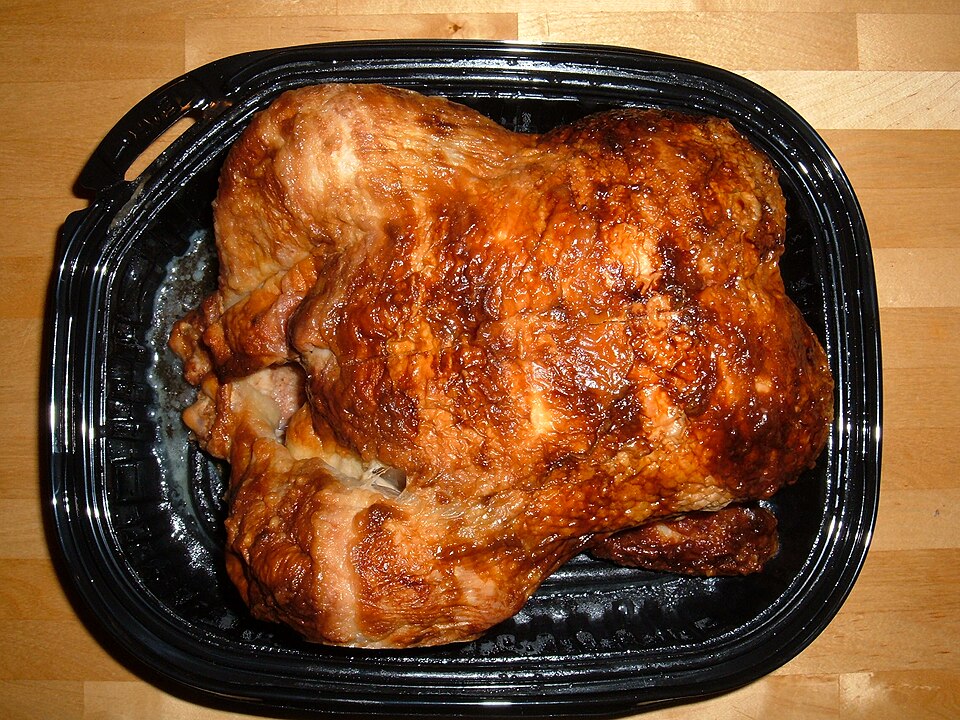
Colorado’s Michael Bennet is among a bipartisan group of senators backing new legislation that would allow Supplemental Nutrition Assistance Program (SNAP) recipients to purchase hot rotisserie chicken with their benefits.
The proposal, known as the Hot Rotisserie Chicken Act, was introduced this week by John Fetterman and Jim Justice, along with Shelley Moore Capito and Bennet, according to a news release.
If passed, the bill would amend the Food and Nutrition Act of 2008 to allow SNAP participants to buy hot rotisserie chicken — a change supporters say would remove an outdated restriction and make it easier for families to access ready-to-eat meals.
“Congress should be making it easier, not harder, for families to put food on the table,” Bennet said in a statement. “This bill fixes an unnecessary barrier and helps Colorado families get a quick, nutritious meal when they need it.”
Current SNAP rules prohibit the purchase of most hot prepared foods, though recipients are allowed to buy cooked rotisserie chicken once it has been cooled. Supporters of the bill argue the distinction is arbitrary and creates inefficiencies for both consumers and retailers.
“Allowing folks on SNAP to buy hot rotisserie chickens is truly just commonsense,” Justice said. “It’s as basic as you can get to help busy parents or grandparents put something as simple as this on the table.”
Fetterman echoed that sentiment, pointing to the affordability and convenience of rotisserie chicken as a ready-made meal option for families.
The legislation has drawn support from the National Chicken Council, which said the current rule forces stores to cool and reheat chickens to comply with SNAP guidelines, adding unnecessary cost and reducing quality.
Under the proposal, the change would apply only to eligible retailers and would not expand SNAP benefits to restaurants or increase program funding or eligibility, according to the release.
A companion bill has also been introduced in the House by Rick Crawford.
Supporters describe the measure as a small but practical adjustment aimed at improving access to affordable, protein-rich food for the roughly 42 million Americans who rely on SNAP.